

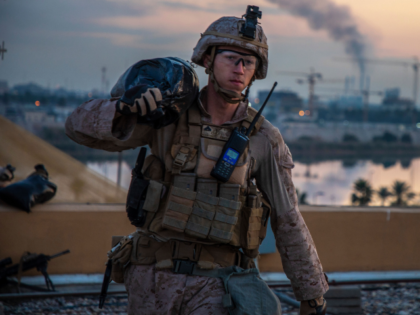
The U.S. withdrawal from Iraqi Kurdistan by September 30 isn’t just another troop rotation—it’s a strategic vacuum that Iran’s proxy militias are already racing to fill. Baghdad’s deadline forces American forces out while simultaneously demanding those same Iranian-backed groups disarm, a contradiction that practically guarantees the militias will simply rebrand and rearm under different banners. For the 2A community, this is a textbook case of what happens when a government tries to disarm one side while leaving the other heavily armed: the balance of power shifts overnight, and the people caught in the middle—Kurdish civilians who have long relied on privately held firearms for self-defense—face a sudden spike in threats from groups that answer to Tehran, not Baghdad.
What makes this especially relevant to American gun owners is the reminder that rights are only as strong as the willingness and ability to defend them. The Kurds have a long tradition of armed self-reliance, but once U.S. forces pull out, the legal and practical framework that allowed them to keep and bear arms against ISIS and Iranian proxies could erode under pressure from a central government more interested in appeasing Shiite militias than protecting minority populations. If history is any guide, the militias won’t honor the disarmament order; they’ll simply consolidate power, and any future Kurdish attempt to maintain an armed citizenry will be painted as “illegal militancy” by Baghdad and its backers.
The takeaway for pro-2A advocates is straightforward: never assume that a friendly government or foreign ally will remain in place to guarantee your rights. The Iraqi Kurds are about to learn what millions of Americans already know—when the cavalry leaves, the only thing standing between your family and the next wave of aggression is the firearm in your hands and the legal framework that protects your ability to own it.


