

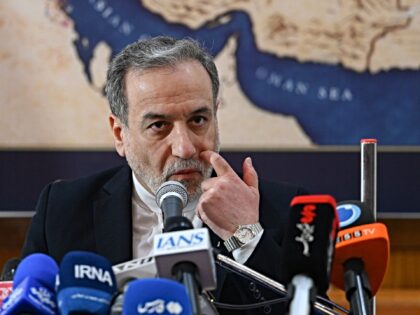
Iran’s refusal to sit down with Washington until its demands are met is more than diplomatic theater—it’s a reminder that the world’s most volatile chokepoint, the Strait of Hormuz, can be turned into a pressure valve at any moment. When Tehran signals it will not negotiate until its terms are accepted, it is effectively threatening to squeeze the 21 percent of global petroleum liquids that transit those waters daily. For the firearms community, that threat is not abstract: every time oil prices spike, the same politicians who blame “gun violence” for urban crime trot out fresh tax-and-spend schemes that inevitably circle back to ammunition excise taxes, background-check surcharges, and “emergency” import restrictions on foreign-made components. A Hormuz closure would hand them the fiscal excuse they crave.
The deeper implication is strategic. If the administration blinks and lifts sanctions to coax Iran back to the table, the flood of released Iranian crude will temporarily depress prices, but it will also replenish Tehran’s coffers for proxy militias that already target U.S. forces and shipping. That cycle—sanctions relief, cash windfall, regional mischief, renewed crisis—has repeated itself since 2015. Each iteration erodes domestic energy production incentives, raises the long-term cost of everything from range fees to polymer feedstock for magazines, and keeps the defense budget on a wartime footing that crowds out Second-Amendment-friendly procurement reforms. In short, the Strait is not just an oil lane; it is a tripwire that can yank the rug out from under the very supply chains that keep American gun owners stocked and trained.
The takeaway for 2A advocates is straightforward: energy security and the right to keep and bear arms are linked through the same pressure points. When diplomats posture over Hormuz, prudent shooters increase their stockpiles of domestically produced ammunition, diversify into corrosion-resistant magazines, and support candidates who treat domestic drilling permits with the same urgency they treat shall-issue reciprocity. The mullahs may never fire a shot in anger; they only have to threaten the valve. Our job is to make sure the resulting price shock does not become the next back-door tax on the Bill of Rights.


