

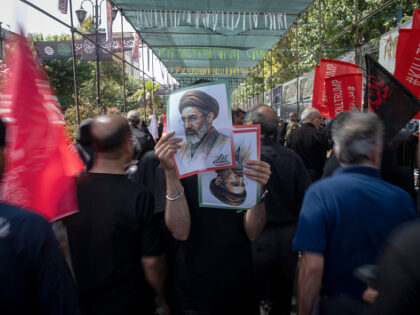
Iran’s latest admission that its president can barely reach the man who actually runs the country is a reminder that the Islamic Republic’s power structure is brittle, opaque, and increasingly desperate. With the Supreme Leader’s son, Mojtaba Khamenei, now the de-facto gatekeeper, even routine decisions about the Strait of Hormuz are being held hostage to internal power plays. That uncertainty spikes global oil prices, which in turn fuels inflation at home and keeps Washington distracted—exactly the kind of environment in which anti-gun politicians look for cover to push new restrictions while the public is focused elsewhere.
For the 2A community the lesson is straightforward: when fragile authoritarian regimes flirt with maritime chokepoints, the ripple effects always reach American gun stores. Higher energy costs squeeze household budgets, ammunition and component prices climb, and the same lawmakers who lecture about “democracy abroad” use the chaos to argue that “common-sense gun safety” must be rushed through while attention is diverted. The more unstable the mullahs become, the more our own constitutional protections need vocal, organized defenders ready to remind legislators that rights are not seasonal commodities.
History shows that nations teetering on succession crises rarely become more pacific; they lash out or lock down. Either outcome keeps the pressure on U.S. supply chains and keeps the cultural argument about armed self-reliance front-and-center. The 2A community’s job is to treat every tremor in Tehran as another data point proving that the surest hedge against uncertainty—foreign or domestic—is a prepared, lawfully armed citizenry.


