

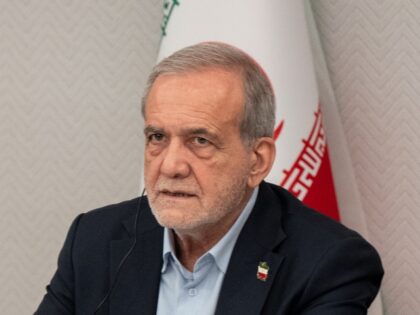
Iran’s latest diplomatic overture from President Pezeshkian is less a genuine olive branch and more a calculated pause in a long-running game of nuclear chicken—one that keeps the Strait of Hormuz pressure valve half-open and the global oil market on edge. By conditioning compliance on Washington’s “commitments,” Tehran is telegraphing that any future snapback of sanctions or renewed naval posturing could instantly re-ignite tensions, driving crude prices higher and reminding every American gun owner why a stable domestic energy supply matters when foreign flashpoints threaten to throttle it. The weekend Hormuz flare-up already proved how quickly a single miscalculation can spike pump prices; a renewed standoff would only accelerate the same economic squeeze that historically correlates with ammunition shortages and component price spikes for reloaders and manufacturers alike.
For the 2A community, the takeaway is straightforward: every time an administration leans on multilateral deals instead of unambiguous energy dominance and naval deterrence, it hands leverage to regimes that view oil as a weapon and the U.S. consumer as the target. A president who treats the Second Amendment as a check on government overreach should apply the same skepticism to foreign policy that invites dependency on adversarial supply lines. If Pezeshkian’s conditional pledge collapses—as past Iranian assurances have—expect renewed calls for sanctions that ripple through defense budgets, steel allocations, and even the regulatory climate surrounding domestic firearms production. In short, the right to keep and bear arms is only as secure as the economy and energy grid that sustain the industrial base behind it.


