

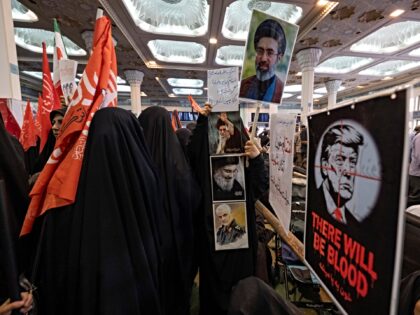
Iran’s latest saber-rattling is a textbook reminder that when regimes feel the economic noose tightening, they reach for the oldest play in the authoritarian handbook: threaten everyone around them and hope the fear buys time. By labeling any neighbor that cooperates with U.S. sanctions an “enemy,” Tehran is essentially admitting it can’t survive without regional enablers willing to launder oil, move cash, or smuggle components. That same desperation fuels the Islamic Republic’s long-running obsession with asymmetric tools—ballistic missiles, proxy militias, and, yes, the quiet quest for a deliverable nuclear device. For Americans who value the Second Amendment, the takeaway is straightforward: when governments brandish apocalyptic retaliation to protect a nuclear program, the only reliable insurance policy is a citizenry that remains armed, trained, and legally empowered to deter tyranny at every level.
The sanctions pressure now being dialed up is not merely about crude-oil revenue; it is about starving the IRGC’s procurement networks that hunt for precision machine tools, specialty steels, and dual-use electronics—many of which have second-hand utility in small-arms manufacturing. Every sanctioned barrel of oil not sold is one less dinar available for smuggling crates of 7.62×39 through Iraqi militias or buying CNC mills on the black market. That dynamic strengthens the argument that economic warfare, when paired with a robust domestic firearms industry and an alert armed populace, can degrade an adversary’s ability to project power without firing a shot. In short, the same tools that protect individual liberty at home—private firearm ownership, decentralized gunsmithing, and a culture that prizes marksmanship—also blunt the ambitions of regimes that view civilian disarmament as a prerequisite for regional domination.
History shows that sanctions alone rarely topple determined autocrats, but they do raise the cost of aggression until internal fissures appear. The 2A community’s role in that equation is to stay ready: maintain proficiency, support domestic manufacturing resilience, and reject any policy—foreign or domestic—that treats an armed citizenry as an afterthought rather than the ultimate check against centralized overreach. Iran’s “earthquake” rhetoric may dominate headlines today, but the real seismic shift will come when free people, equipped and resolute, make such threats irrelevant.


