

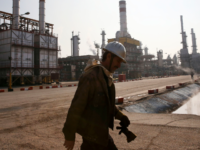
Iran’s latest saber-rattling over closing the Strait of Hormuz and choking off Middle Eastern crude exports is more than another headline in the endless cycle of Gulf brinkmanship; it’s a reminder that energy chokepoints remain the world’s most reliable tripwire for sudden, large-scale conflict. When Tehran promises to turn the spigot off, markets price in risk premiums that ripple straight into defense budgets, and those budgets almost always translate into fresh contracts for precision-guided munitions, naval systems, and the small-arms platforms that protect forward operating bases. The 2A community watches these flare-ups with a seasoned eye: every uptick in regional tension accelerates the same supply-chain logic that already governs domestic firearm availability—raw-material competition, shipping delays, and the quiet reallocation of industrial capacity toward military priorities.
History shows that when oil prices spike, so does the perceived need for a credible deterrent at every level, from carrier strike groups down to the individual rifle in a Marine’s hands. Lawmakers who normally drag their feet on Second Amendment issues suddenly discover urgency when energy security and alliance credibility are on the line, and that urgency has a habit of loosening purse strings for everything from optics and suppressors to the ammunition that fills magazines stateside. Meanwhile, civilian shooters absorb the downstream effects: higher steel and powder costs, longer lead times on imported components, and the quiet realization that the same geopolitical friction driving oil futures also drives the political climate around magazine-capacity restrictions and import bans.
For those who view the right to keep and bear arms as the ultimate hedge against uncertainty, the Iranian threat is simply another data point confirming that peace is never guaranteed and that the tools of individual self-reliance remain relevant. Whether the crisis stays rhetorical or escalates into something that draws U.S. forces back into the Gulf, the pattern is consistent—energy shocks beget security spending, security spending begets industrial mobilization, and industrial mobilization always circles back to the fundamental question of who ultimately controls the means of their own defense.


