

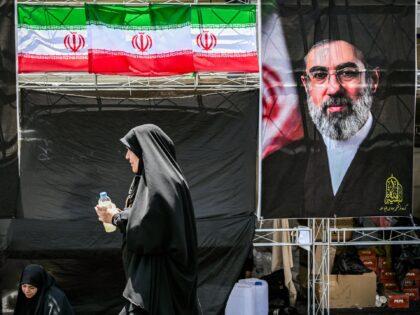
In a move that’s raising eyebrows from Tehran to Tel Aviv, Mojtaba Khamenei’s conspicuous absence from his father’s funeral isn’t just family drama—it’s a calculated signal in a regime already teetering on the edge of internal fracture. While three of his brothers showed up to pay respects to the late Ayatollah, the man now holding the title of Supreme Leader stayed away, a decision that whispers louder than any state media spin. For observers of authoritarian succession, this isn’t about mourning etiquette; it’s about power consolidation, and the optics of a leader who may already be consolidating control behind the scenes while letting rivals and loyalists alike wonder where his true allegiances lie.
For the 2A community, the takeaway is as old as the Second Amendment itself: when regimes begin to eat their own, the first thing they reach for is the disarmament of the people they claim to protect. Iran’s clerical elite have long treated civilian firearm ownership as a direct threat to their monopoly on force, and Mojtaba’s rise only tightens that grip. A fractured theocracy is a dangerous theocracy—more likely to lash out externally or crack down internally—and history shows that citizens stripped of the means of self-defense become the first casualties when strongmen consolidate power. The lesson isn’t just geopolitical; it’s a reminder that rights not defended at home are the first to be exported as casualties abroad.
What looks like a family snub in Qom is actually a preview of how brittle authoritarian systems become when legitimacy rests on bloodlines rather than ballots or bullets in civilian hands. As Mojtaba steps into his father’s shadow, the absence of both the old man and any meaningful civilian counterweight should sharpen our appreciation for an armed populace that can never be disappeared by decree. In a world where one man’s funeral can rearrange the chessboard overnight, the right to keep and bear arms remains the ultimate insurance policy against rulers who view their subjects as subjects, not sovereigns.


