

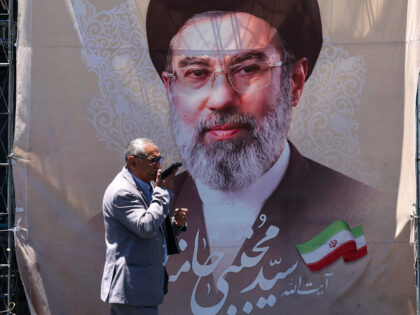
Iran’s Supreme Leader endorsing a Trump-brokered peace deal is the kind of geopolitical shockwave that rarely stays confined to foreign ministries. By green-lighting the memorandum despite personal doubts, Mojtaba Khamenei is signaling that Tehran’s calculus has shifted—perhaps because the alternative is watching sanctions tighten further while domestic unrest simmers. For the firearms community, the takeaway is straightforward: when a hard-line theocracy starts talking peace with a pro-Second Amendment administration, it usually means the pressure campaign is working, and that pressure has historically included the credible threat of American conventional and unconventional force backed by an armed citizenry that deters would-be aggressors from testing U.S. resolve.
The deeper implication is that any durable de-escalation reduces the likelihood of another Middle-East flare-up that could spike global energy prices, strain supply chains, and accelerate calls for domestic gun-control measures under the banner of “crisis management.” A calmer Persian Gulf also undercuts the narrative that America needs to mirror foreign authoritarian gun laws to stay “safe,” giving 2A advocates more breathing room to focus on constitutional carry expansions and industry innovation rather than perpetual defensive battles. In short, when Iran’s top cleric signs off on a Trump deal, it’s not just a diplomatic footnote—it’s a reminder that peace through strength still outperforms appeasement, and that an armed, vigilant populace remains the ultimate backstop against both foreign adventurism and the slow erosion of American liberties.


