

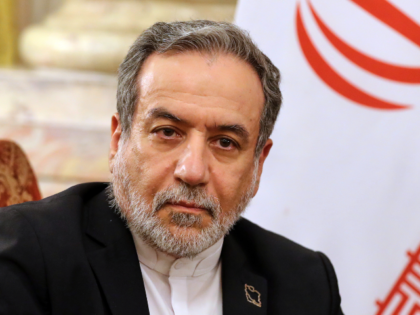
Iran’s sudden scramble to Doha isn’t about peace so much as damage control. After years of proxy wars, uranium enrichment, and open threats to close the Strait of Hormuz, Tehran now claims Washington’s conditions are “excessive.” That’s diplomatic code for “we underestimated how much the new administration values hard leverage over photo-op diplomacy.” The presence of both the parliament speaker and the foreign minister signals urgency; they’re not sending mid-level bureaucrats to haggle—they’re sending the regime’s top political and diplomatic muscle to keep sanctions relief and oil revenue flowing before domestic unrest boils over.
For the Second Amendment community the takeaway is straightforward: when an avowed enemy of the United States feels compelled to negotiate from a position of weakness, it validates the long-standing argument that credible deterrence beats endless concessions. Every sanctions waiver or JCPOA-style giveaway in the past emboldened Iran’s IRGC and its terror proxies; every demonstration that America will actually enforce red lines has produced the opposite effect. The same principle applies at home—shall-issue carry, constitutional carry, and the broader ecosystem of armed citizens function as distributed deterrence that keeps crime rates and political violence in check without relying on federal promises that can be revoked with the next election cycle.
If the talks collapse, expect Tehran to double-down on asymmetric tools: more drones for the Houthis, more missiles for Hezbollah, and more shadowy purchases of small arms and components that eventually find their way onto American streets through Mexican cartels. That pipeline is precisely why vigilance on export controls, secondary sanctions, and domestic preparedness remains essential. The Iranian regime’s complaints about “excessive” demands are really an admission that strength works; the 2A community’s job is to make sure that lesson isn’t forgotten when the next administration weighs whether to repeat the mistakes of the past.


