

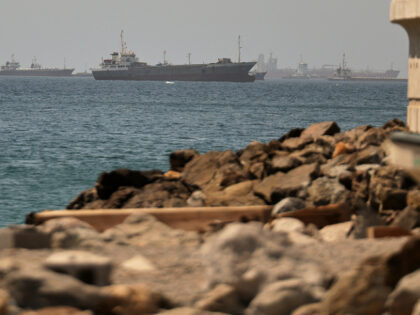
Iran’s Revolutionary Guard just reminded the world that the Strait of Hormuz is their choke-point, not a shared waterway, and the timing is no accident. After Beijing publicly urged both sides to stand down, Tehran doubled down with a statement that essentially told every foreign navy to stay out of the 21-mile-wide passage that carries roughly one-fifth of global oil. The message is clear: Iran is willing to weaponize geography the moment sanctions or naval presence become inconvenient, and the IRGC’s bluster is less about China and more about keeping Washington’s carrier groups at arm’s length.
For the Second Amendment community the takeaway is straightforward: when a single hostile actor can threaten to close a maritime artery that feeds the global economy, the case for an armed, self-reliant citizenry writes itself. Energy shocks from Hormuz translate directly into higher fuel prices, supply-chain snarls, and the kind of civil-unrest scenarios that historically reward households that already own defensive firearms and the training to use them. The same people who dismiss “prepper” talk are suddenly quiet when oil spikes 20 percent in a week; the 2A crowd simply treats that volatility as another data point in favor of personal preparedness rather than hoping diplomats or distant fleets will keep the strait open.
The deeper implication is that deterrence works both ways. Just as a credible U.S. naval presence is meant to keep Iran from mining the strait, an armed populace at home serves as the ultimate backstop against the domestic disorder that follows when foreign chokepoints are contested. Tehran’s latest saber-rattling is therefore less a regional sideshow than a reminder that freedom of navigation, like the right to keep and bear arms, ultimately rests on the willingness to defend it.


