

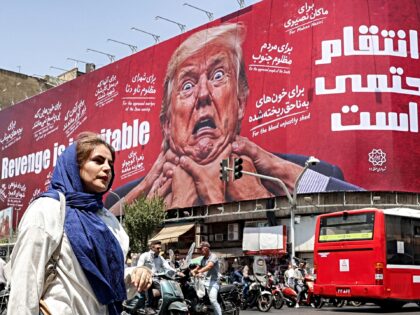
Iran’s latest saber-rattling over the Strait of Hormuz is a textbook reminder that energy chokepoints are the world’s most fragile pressure valves. By threatening to shutter the waterway to American, Israeli, and “hostile” vessels, Tehran is essentially holding a gun to the global economy’s head—roughly one-fifth of all seaborne oil moves through those 21 miles of water. The move is less about immediate enforcement than about signaling: it tells Washington and Jerusalem that any kinetic strike on Iranian nuclear sites could be answered with an asymmetric economic counterpunch. Markets have already priced in a modest risk premium, but the real danger lies in miscalculation; once the first tanker is turned away or boarded, the escalatory ladder becomes very short indeed.
For the Second Amendment community, the ripple effects are both strategic and practical. A sustained closure would spike diesel and gasoline prices, raising the cost of everything from range ammo to the polymer composites used in modern rifle furniture. More importantly, it underscores why domestic energy production and diversified supply chains matter: when foreign regimes can throttle the flow of oil, they indirectly throttle the ability of free citizens to train, hunt, and defend their homes. The episode also spotlights the continuing relevance of naval power projection; a robust U.S. carrier presence in the Gulf is the only credible deterrent against Iranian mischief, and that presence is underwritten by a defense-industrial base that ultimately rests on a politically secure domestic firearms and ammunition sector. In short, Hormuz is a half-world away, but the freedom to keep and bear arms at home is never far from the geopolitics of oil.


