

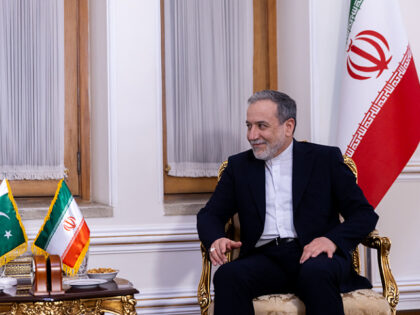
The latest signals out of Tehran and Islamabad suggest the United States is once again dangling sanctions relief in exchange for verifiable limits on Iran’s nuclear infrastructure, a familiar script that has repeatedly failed to curb the regime’s long-term ambitions. What makes this round different is the explicit involvement of Pakistan as a mediator and the claim that a “final text” already exists; that development raises the stakes for any future snapback of restrictions, because a signed deal would likely include phased sanctions removal that could free up billions in previously frozen assets. For the firearms community the connection is direct: every dollar Tehran regains can be redirected toward proxy militias that have already used American-made and black-market small arms against U.S. forces and Israeli civilians, and any easing of export controls on dual-use components could accelerate Iran’s domestic production of precision munitions that eventually find their way onto secondary markets.
History shows that previous nuclear frameworks did little to slow Iran’s enrichment timeline while simultaneously flooding the region with petrodollars that armed groups used to stockpile rifles, rockets, and optics. A renewed agreement would likely repeat that cycle, giving the IRGC and its partners breathing room to rebuild depleted arsenals and test new smuggling routes through Iraq and Syria. Second Amendment advocates therefore have every reason to scrutinize not only the text of any deal but also the enforcement mechanisms that supposedly prevent those funds from becoming bullets pointed at American interests or at allies whose security ultimately affects U.S. policy on domestic gun rights.
If negotiators truly have a finished draft, the coming weeks will reveal whether verification standards are stronger than the toothless inspections of the past or whether political optics once again trump hard limits on centrifuges and weaponization research. Either outcome will shape the threat environment for years, determining how much pressure lands on American gun owners to accept further restrictions framed as “counter-proliferation” measures when the real pipeline of arms to America’s adversaries remains wide open.


