

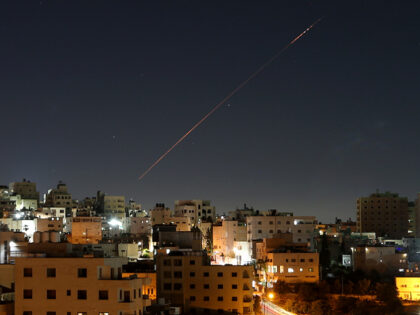
Iran’s sudden missile barrage against Israel has once again reminded the world that deterrence is only as strong as the weapons and will behind it. While the mainstream press fixates on diplomatic “deals” and presidential tweets, the real story is how quickly a supposed ceasefire can evaporate when one side believes the other lacks either the firepower or the resolve to respond. For Americans who value the Second Amendment, the lesson is unmistakable: rights that are not backed by an armed, capable citizenry are rights that can be negotiated away the moment political winds shift.
The timing is especially telling. With President Trump publicly signaling that a broader agreement with Tehran was “very close,” Iran chose to test whether Washington’s restraint would extend to shielding an ally under direct attack. History shows that authoritarian regimes read weakness faster than any intelligence report; a nation unwilling to let its people keep and bear arms is a nation whose diplomats carry little weight at the table. The 2A community has long argued that an armed populace is the ultimate check against both foreign adventurism and domestic overreach—events like this simply prove the point on an international scale.
What happens next will depend less on the next round of talks than on whether Israel and the United States retain the credible ability—and the domestic political support—to answer force with superior force. If the ceasefire collapses further, expect another round of global hand-wringing about “escalation” while the same voices continue to push restrictions on American gun owners. The contrast could not be clearer: nations and citizens that remain armed and alert keep their options open; those that disarm first usually find themselves negotiating from a position of permanent disadvantage.


