

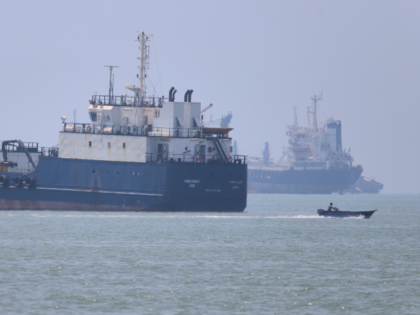
The Strait of Hormuz is once again the world’s most dangerous chokepoint, and the latest round of U.S.-Iran “technical talks” in Doha shows Tehran is trying to turn geography into leverage. By demanding de-facto control over the narrow waterway that carries roughly 20 percent of global oil, Iran is reminding Washington that energy security and military access are inseparable. For the firearms community this matters because any sustained closure or Iranian harassment of shipping instantly spikes defense budgets, accelerates naval procurement, and keeps the U.S. Fifth Fleet on a wartime footing—conditions that historically translate into sustained demand for small arms, optics, and ammunition across every service branch and the civilian market that supports them.
The June Memorandum of Understanding that supposedly “reopened” the strait was always more theater than treaty; Iran never relinquished its shore-based anti-ship missiles, fast-attack boats, or sea mines that can close the passage in hours. When negotiators now speak of “full reopening,” they are really negotiating the terms under which Iran will refrain from using those weapons. That reality keeps U.S. carrier strike groups and Marine expeditionary units forward-deployed, driving everything from SOCOM’s next-generation carbine programs to the National Guard’s renewed interest in crew-served weapons for port security. In short, every time the mullahs rattle the strait, the rifle rack at your local gun shop feels the ripple.
Second Amendment advocates should watch these talks the way investors watch oil futures: instability abroad is often the best predictor of policy stability at home. As long as Hormuz remains a contested artery, Congress has little appetite for deep defense cuts or new import restrictions on firearms and components. The same lawmakers who posture about “ending endless wars” quietly fund the very logistics and munitions pipelines that keep American forces credible in the Gulf. For the 2A community, that means continued access to mil-spec parts, steady production contracts that lower unit costs for civilians, and a political environment where the right to keep and bear arms stays tethered to the uncomfortable fact that freedom of navigation still requires credible firepower—both at sea and in the gun safe.


