

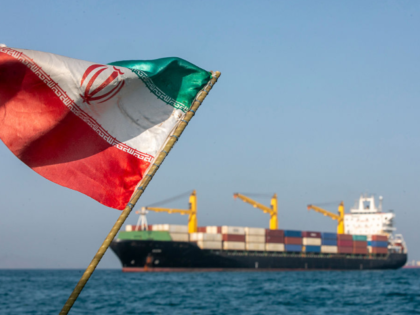
The latest flare-up in the Persian Gulf shows just how quickly a single miscalculation can turn a sanctions standoff into open conflict, and the 2A community should pay close attention. Iran’s demand for $24 billion in frozen assets is not merely a negotiating tactic; it is a bid to replenish hard currency that could ultimately flow toward proxy militias and weapons programs already threatening shipping lanes. When U.S. Navy and Air Force assets knocked down Iranian missiles and drones aimed at Kuwait, Bahrain, and the Strait of Hormuz, they demonstrated the same layered defense principles—early warning, kinetic intercept, and redundant firepower—that armed citizens rely on when seconds count and law-enforcement response times stretch into minutes.
At the same time, President Trump’s envoys are quietly assembling nuclear experts to sketch out verification regimes, a reminder that diplomacy and deterrence are two sides of the same coin. For Second Amendment advocates, the lesson is straightforward: regimes that openly court nuclear breakout capacity and regional adventurism rarely disarm because of paper promises; they respond to credible strength. Whether that strength takes the form of a carrier strike group or a lawfully armed populace ready to resist tyranny, the principle remains unchanged—peace through superior firepower, not wishful thinking.


