

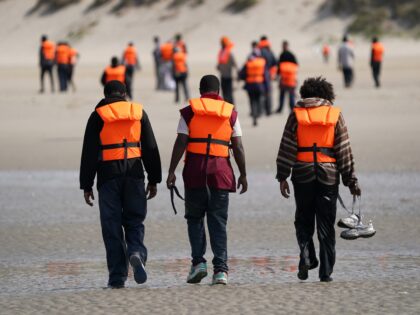
Britain’s porous southern coastline has become an unwitting gateway for Tehran’s intelligence services, and the implications for armed citizens on both sides of the Atlantic are impossible to ignore. While the British press focuses on the spectacle of small-boat crossings, the deeper story is that Iran’s Revolutionary Guard is treating those same routes as a covert infiltration corridor. The result is a slow-motion intelligence operation that places operatives inside a country whose own citizens are effectively disarmed and therefore unable to mount any meaningful resistance should those agents ever activate.
For American gun owners the lesson is immediate: every mile of unsecured border or coastline is a potential vector for state-sponsored actors who view private firearms as the single greatest obstacle to their objectives. The same networks that ferry economic migrants can—and apparently do—ferry trained operatives whose missions range from surveillance of dissidents to pre-positioning for sabotage. A disarmed population offers them a friction-free environment; an armed populace, by contrast, raises the cost of covert action to the point that infiltration becomes far less attractive.
The episode also underscores why the Second Amendment is not merely a quaint tradition but a living deterrent. When a hostile regime can insert agents among refugees because the host nation has foresworn effective self-defense, the moral clarity of our own constitutional right becomes unmistakable. The British experience is a cautionary tale: lose the tools of resistance and you invite the very actors who would strip them from you permanently.


