

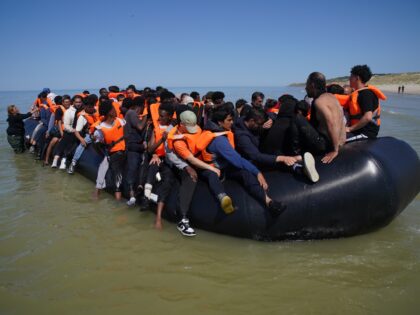
Nigel Farage’s blunt dismissal of Andy Burnham’s grasp on the Channel crisis lands like a warning shot across the bow of Britain’s new government. While Burnham’s team insists the surge in small-boat crossings is “manageable,” Farage’s data-driven rebuttal—hundreds more arrivals in a single week—exposes a widening credibility gap. The optics are unmistakable: a freshly installed prime minister already struggling to project control over the nation’s most visible security failure. For American gun owners watching from across the pond, the lesson is immediate: when a government cannot—or will not—secure its own borders, the political class quickly pivots to restricting the very tools citizens might need to protect themselves in the vacuum left behind.
That vacuum is where the Second Amendment community’s radar should be pinging. History shows that spikes in illegal migration often coincide with spikes in urban crime rates, strained police resources, and, inevitably, fresh calls for gun control framed as “public safety” measures. Farage’s critique isn’t merely about numbers; it’s about sovereignty, and sovereignty is the precondition for any functional right to keep and bear arms. If the British state continues to treat border enforcement as optional, expect parallel pressure in the U.S. to treat self-defense as optional too—especially in sanctuary jurisdictions already courting the same demographic shifts now visible on Dover’s beaches.
The deeper implication is cultural. A nation that loses confidence in its ability to define “us” versus “them” soon loses confidence in the individual’s right to define safety for himself. Farage’s jab at Burnham’s “planet” isn’t rhetorical excess; it’s a reminder that political fantasies have real-world costs, and those costs are often paid first by the law-abiding citizens left disarmed by the very leaders who failed to keep the border.


