

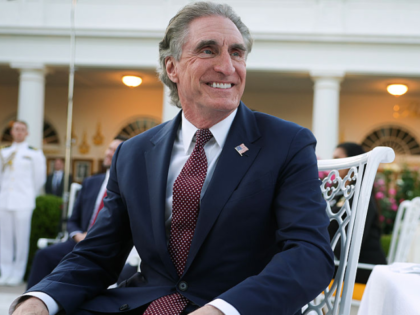
Interior Secretary Doug Burgum’s takedown of the press for fixating on the Reflecting Pool repairs is more than a swipe at media priorities—it’s a window into how the administrative state’s real work gets buried under performative outrage. While legacy outlets chase footage of scaffolding and water levels, the Trump administration is quietly restoring the physical infrastructure of the nation’s capital instead of letting decay become another excuse for bigger budgets and slower timelines. That same impulse to cut through red tape and deliver results is exactly what the firearms community has seen when agencies stop treating every range expansion or FFL application like a national-security crisis.
For Second Amendment advocates, the episode is a reminder that institutional hostility often hides behind process rather than principle. When the same media class that obsesses over reflecting-pool aesthetics also frames every pro-2A policy as an existential threat, the pattern is clear: narrative control matters more than measurable outcomes. Burgum’s willingness to call it out signals an administration comfortable pushing back on that script, which matters when ATF rulemakings, import bans, and “ghost gun” guidance are being drafted in the same bureaucratic ecosystem.
The deeper implication is that restoring basic competence in government—fixing pools, clearing backlogs, enforcing actual statutes instead of inventing new ones—creates space for rights-affirming policy rather than perpetual crisis management. A federal apparatus that can maintain its own monuments without turning every repair into political theater is also more likely to treat shall-issue permitting, interstate handgun sales, and suppressor reform as routine administrative tasks instead of culture-war battlegrounds. That shift in default posture is ultimately more durable for the 2A community than any single high-profile win.


