

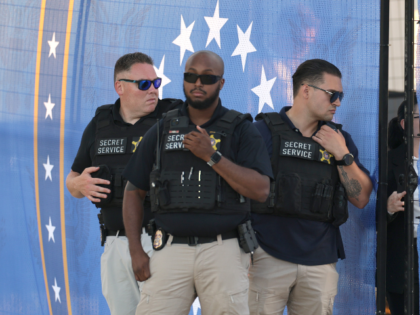
The Secret Service’s inability to lock down its own mobile devices isn’t just another bureaucratic footnote—it’s a flashing red light on how fragile the protective bubble around high-profile figures has become. When agents’ phones can be exploited or left unsecured, the same vulnerabilities that let a would-be assassin slip through physical perimeters can just as easily be exploited in the digital realm, turning everyday communications into potential intelligence goldmines for anyone with the right skills or connections. For the 2A community, this isn’t abstract: the same agencies that lecture law-abiding gun owners about “assault weapons” and “high-capacity magazines” are apparently struggling to keep their own operational security tighter than a cheap phone case.
What makes the timing especially galling is that this lapse comes on the heels of an actual assassination attempt against a former president and presumptive nominee. The Inspector General’s findings suggest that basic device-hardening protocols—things any serious firearms instructor drills into students when discussing operational security—were either ignored or never enforced at the highest levels of federal protection. That disconnect matters because it reinforces a long-standing argument from gun owners: if the government can’t reliably safeguard its own people and data, the notion that only the state should hold the means of effective self-defense starts to look less like prudent policy and more like wishful thinking.
The broader implication is that personal preparedness, including the legal carry of firearms and the cultivation of situational awareness, isn’t paranoia—it’s a rational response to institutional shortcomings. When federal agencies fumble something as fundamental as securing mobile devices, it underscores why millions of Americans refuse to outsource their entire security posture to entities that repeatedly demonstrate they can’t even secure their own. In a world where threats can materialize from both the physical and digital shadows, the right to keep and bear arms remains one of the few tools individuals still control when the professionals fall short.


