

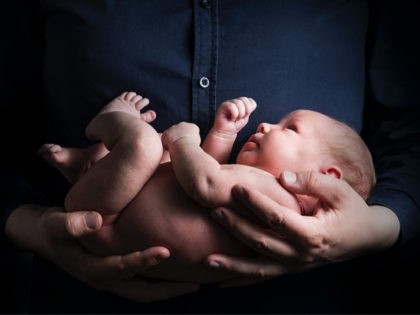
In the quiet hours of a Texas night, a newborn found safety not through headlines or politics, but through a simple, steel-reinforced box bolted to the wall of an Abilene fire station. That box—installed under the state’s Safe Haven law—represents something the firearms community has long understood: when government creates real, practical infrastructure that empowers individuals to protect life without compelling them to interact with a bloated bureaucracy, outcomes improve. The baby surrendered on July 1 didn’t need a social worker on speed-dial or a court order; the parent needed only the dignity of an anonymous, legal off-ramp. That same principle animates the shall-issue carry laws and constitutional carry expansions that Texas and dozens of other states have embraced—remove friction, respect individual judgment, and trust citizens with tools that can preserve life rather than merely react after tragedy.
The deeper signal here is cultural. Fire stations, long trusted nodes in every community, are quietly becoming distributed life-preservation hubs. Just as armed citizens have stepped into the gap when police response times stretch to minutes, these boxes place life-saving infrastructure within reach of people who might otherwise feel they have no options. The 2A community has argued for years that rights and responsibilities travel together; here, the state acknowledges that desperate parents deserve a lawful channel instead of criminalization or coercion. It’s the same logic that underpins everything from campus carry to permitless carry: when you stop treating citizens as inherent risks and start treating them as capable adults, you reduce harm without expanding the administrative state.
Critics on the left will inevitably frame safe-haven boxes as bandaids that let society avoid “root causes,” while ignoring that the boxes themselves are a direct result of pro-life, pro-family legislation often supported by the same legislators who expanded self-defense rights. The Abilene surrender is therefore not an isolated human-interest story; it’s evidence that decentralized, liberty-oriented solutions scale. Whether the tool is a firearm for immediate self-defense or a temperature-controlled steel box for anonymous surrender, the pattern is identical—empower the individual, harden the infrastructure, and let communities solve problems faster than any centralized program ever could.


