

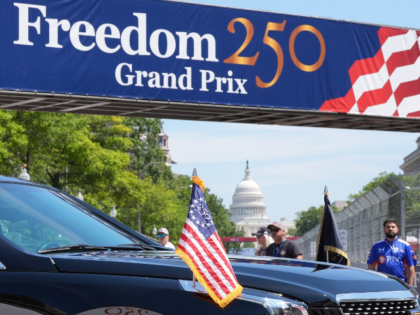
When IndyCar veteran and outspoken patriot Tony Kanaan stepped up to defend the Freedom 250 Grand Prix against Sen. Adam Schiff’s predictable partisan jab, he wasn’t just pushing back on a single tweet—he was reminding the country that motorsport and the Second Amendment share the same DNA. Both are rooted in the American tradition of individual skill, personal responsibility, and the unapologetic celebration of liberty. Schiff’s attempt to paint the event as some kind of MAGA sideshow fell flat the moment Kanaan pointed out that the race was about “great racing and patriotism,” not politics. In a town where symbolism is currency, the sight of open-carry enthusiasts mingling with racing fans on the National Mall sent a clear message: the right to keep and bear arms isn’t a footnote to American culture—it’s woven into the very fabric of events that honor service, sacrifice, and speed.
For the 2A community, the episode is a microcosm of a larger cultural shift. Where coastal elites once dismissed gun owners as fringe, the Freedom 250 showcased them as mainstream enthusiasts whose passion for firearms mirrors their passion for horsepower. The race’s sponsors, many of them veteran-owned or Second Amendment-supporting businesses, turned a potential PR liability into a showcase of responsible ownership and civic pride. Kanaan’s rebuttal resonated because it framed the event not as a political stunt but as an organic expression of American identity—one that includes the right to defend that identity with both a steering wheel and a sidearm. In an era when anti-gun lawmakers routinely conflate lawful carry with extremism, the driver’s calm, fact-based defense served as a master class in messaging: patriotism and preparedness are not mutually exclusive.
The implications stretch beyond a single Sunday in D.C. As more states expand constitutional carry and the Supreme Court continues to affirm the individual right to bear arms, events like the Freedom 250 become proving grounds for the idea that gun culture and mainstream American pastimes can coexist without apology. Schiff’s misstep handed the 2A community a ready-made narrative: when politicians attack symbols of freedom—whether they’re racetracks or rifles—they reveal how out of touch they are with the very citizens they claim to represent. The roar of engines and the crack of disciplined gunfire are two sides of the same coin, and both will keep echoing as long as Americans refuse to let coastal scolds define what liberty looks like.


