

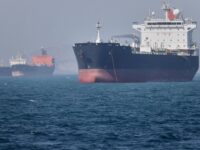
India’s scramble for crude from Venezuela, Brazil, Nigeria, and Angola is more than a logistics headache; it is a textbook demonstration of how quickly global chokepoints can turn energy security into a live-fire exercise. When Tehran closed the Strait of Hormuz, roughly one-fifth of the world’s seaborne oil vanished overnight, sending prices spiking and forcing New Delhi to charter tankers on longer, more expensive routes around the Cape of Good Hope. The ripple effects are immediate: higher diesel and petrol costs at Indian pumps translate into costlier transportation for everything from food to ammunition components, reminding every nation that energy dependence is a soft underbelly that adversaries can squeeze without firing a shot.
For the 2A community the lesson is straightforward—energy leverage is just another form of arms control. When oil prices climb, the same inflationary pressure that raises the cost of range fees and factory ammunition also funds the very regimes that would happily see civilian firearms restricted worldwide. A diversified, domestic energy base reduces that leverage, keeps training affordable, and preserves the industrial capacity that builds both firearms and the logistical backbone that moves them. In short, the right to keep and bear arms is only as strong as the economy that supports the citizen who exercises it; watching India hunt for barrels on distant continents is a timely reminder that energy independence and firearm freedom travel on the same convoy.


