

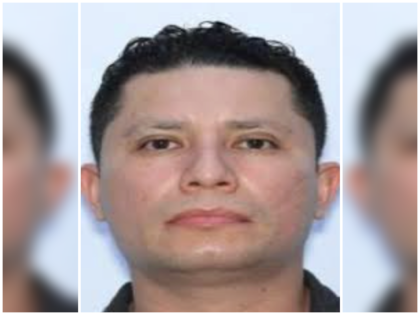
The case of this illegal alien, who slipped across the border and then tried to vanish before facing justice for the repeated rape of a middle-school girl, exposes a glaring failure in immigration enforcement that directly threatens the safety of American communities. When federal and state authorities cannot reliably detain or deport individuals with violent criminal histories, the burden of self-protection inevitably shifts back to law-abiding citizens—the very people the Second Amendment exists to empower. Sanctuary policies and catch-and-release practices do not merely inconvenience bureaucracies; they create predictable patterns of recidivism that place families, schools, and neighborhoods at heightened risk.
For the 2A community, stories like this are not abstract policy debates but stark reminders that the right to keep and bear arms is a practical necessity when government institutions prove incapable of securing the border or removing criminal aliens. Law-abiding gun owners understand that an armed citizenry serves as the final backstop against both street-level predators and the systemic lapses that allow them to remain in the country. The 100-year sentence ultimately delivered here is cold comfort to the victim and her family; it underscores why responsible Americans reject any effort to disarm them while the same officials who failed to prevent the crime lecture them about “gun violence.”
This episode also highlights the broader cultural stakes: an administration or locality that treats illegal immigration as a humanitarian priority rather than a security imperative is simultaneously eroding the conditions under which the Second Amendment was designed to operate. When the state cannot—or will not—perform its most basic function of protecting citizens from foreign nationals with demonstrated violent tendencies, the individual right to effective self-defense becomes not just a constitutional principle but a daily imperative.


