

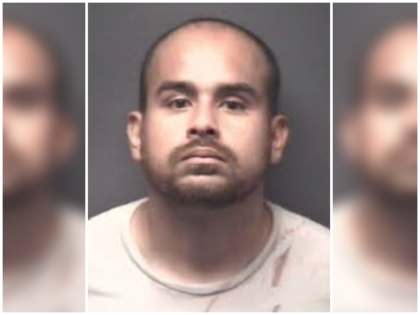
In the wake of this preventable tragedy in Pitt County, the facts cut through the usual media fog with brutal clarity: an illegal alien allegedly blew through a stop sign and snuffed out the life of six-year-old Calli Toler while injuring her mother and sibling. This isn’t an isolated “accident” born of bad luck; it’s the predictable outcome of a border policy that treats enforcement as optional and American communities as expendable. When sanctuary practices and catch-and-release schemes keep criminal non-citizens on our roads, the collateral damage lands on families who never signed up to be statistics in someone else’s political experiment.
For the 2A community the lesson is straightforward and uncomfortable: the same institutional mindset that shrugs at unsecured borders also pushes to disarm law-abiding citizens under the banner of “public safety.” If government can’t—or won’t—secure the physical border, the moral case for an armed citizenry grows stronger, not weaker. Every law-abiding driver, parent, or concealed-carry holder becomes the last line of defense when the state imports risk and then lectures the rest of us about needing fewer guns. The right to keep and bear arms isn’t abstract theory; it’s the practical recognition that you may be the only one standing between your family and the next unlicensed, unvetted driver who treats stop signs as suggestions.
The broader implication is that sovereignty and self-defense are two sides of the same coin. Secure borders reduce the downstream violence that gun-control advocates later cite to justify more restrictions; an armed populace fills the gap when those borders fail. Calli Toler’s death is therefore not just a traffic story—it’s a reminder that the Second Amendment exists precisely because government competence is never guaranteed and because the first responsibility of citizenship is protecting your own when the system won’t.


