

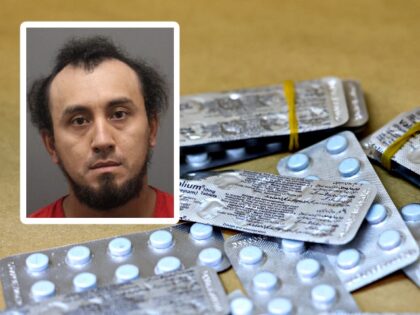
When an illegal alien is accused of flooding a Virginia high school with fentanyl-laced pills that nearly killed two students, the story is usually framed as a tragic public-health failure. Yet the same facts expose a deeper truth: the same porous southern border that lets synthetic opioids pour in also lets armed cartels and their proxies operate with near-impunity inside American communities. Park View High School’s overdose cluster is not an isolated accident; it is the predictable downstream effect of a policy regime that treats immigration enforcement as optional while simultaneously demonizing the very citizens who might lawfully carry the tools to interrupt such trafficking.
For the 2A community the lesson is straightforward. Law-abiding Virginians already enjoy constitutional-carry reciprocity, yet the state’s “sensitive-place” rules effectively disarm parents, teachers, and off-duty officers precisely where the next fentanyl shipment is most likely to land—inside or immediately outside a public school. Meanwhile, the dealer in this case operated without fear of armed resistance because he correctly calculated that his customers’ parents and the surrounding neighborhood were disarmed by statute, not by choice. The result is a one-sided arms race: traffickers move product under the cover of state-created gun-free zones while citizens who could lawfully intervene are told to wait for a police response that, in Loudoun County, averages more than six minutes.
The larger implication is that border security and the right to keep and bear arms are not separate issues; they are two flanks of the same constitutional defense. When federal immigration law is ignored, local officials inherit the cartel’s logistics network. When state officials then strip citizens of effective means of self-defense, they complete the circuit that turns every school, park, and transit hub into an undefended marketplace for fentanyl. The only variable left is whether law-abiding Virginians will insist that both the border and the Constitution be enforced—or whether the next headline will again describe students “lucky to be alive” because the adults responsible for their safety chose political optics over operational reality.


