

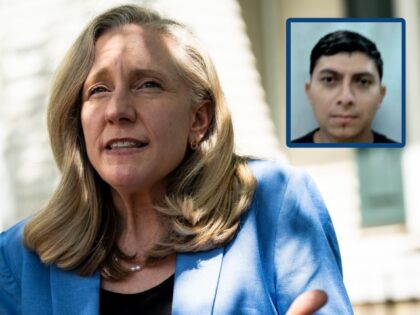
In a move that underscores the dangerous disconnect between federal immigration enforcement and state-level sanctuary policies, ICE has formally pleaded with Virginia Governor Abigail Spanberger to keep an illegal alien accused of raping a teenage girl behind bars instead of releasing him back into the community. The agency’s request highlights a recurring pattern where local officials prioritize political optics over public safety, effectively turning their jurisdictions into revolving doors for criminal non-citizens. For the 2A community, this isn’t just an immigration story—it’s a stark reminder that when government fails to secure the border or enforce removal orders, law-abiding citizens are left to fill the gap with their own preparedness and vigilance.
The implications stretch far beyond one case. Spanberger’s track record on immigration enforcement already signals a willingness to place progressive ideology above the rule of law, and her response to ICE’s plea will either reinforce or reject that pattern. When states refuse to honor detainers or heed federal warnings about repeat offenders, they create environments where predators operate with reduced fear of swift deportation. Responsible gun owners understand this reality better than most: the same politicians who erode immigration enforcement often push parallel efforts to restrict self-defense rights, leaving citizens doubly exposed—first to preventable crime and then to diminished means of protection.
This episode serves as another data point in the broader argument that secure borders and strong Second Amendment protections are not competing priorities but complementary safeguards. When ICE must publicly beg a governor to do the bare minimum of keeping an accused rapist detained, it reveals how deeply sanctuary policies have compromised public safety. For those who value both constitutional carry and national sovereignty, the lesson is clear: elections and policy choices at the state level directly determine whether communities remain safe or become testing grounds for failed progressive experiments.


