

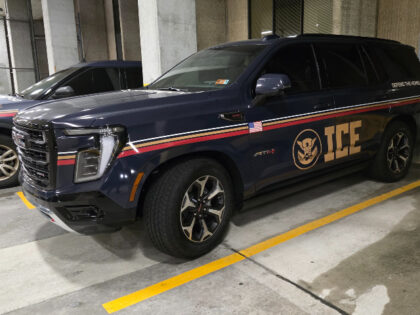
In the wake of this Houston confrontation, the facts paint a stark picture of why armed federal officers remain essential when confronting individuals who have already defied U.S. immigration law. The Mexican national’s decision to weaponize his vehicle against an ICE agent underscores a recurring pattern: when enforcement actions intersect with criminal aliens, the potential for lethal force escalates rapidly. For Second Amendment advocates, the incident is a reminder that the right to keep and bear arms isn’t an abstract debating point—it’s the practical authority that lets law-enforcement professionals neutralize an imminent vehicular threat before it becomes a body count.
Beyond the immediate tactical outcome, the episode highlights how sanctuary policies and catch-and-release practices create downstream dangers for both officers and civilians. When jurisdictions refuse to honor ICE detainers, they effectively outsource the risk to the street-level agents who must then confront repeat offenders in uncontrolled environments. The 2A community has long argued that an armed citizenry and an armed constabulary are complementary layers of deterrence; this shooting supplies fresh evidence that disarming or demoralizing federal officers only shifts the burden onto private individuals who may lack the training, armor, or legal cover to respond in kind.
Looking ahead, expect renewed calls from restrictionist quarters to further handcuff ICE operations, while pro-enforcement voices will rightly point to this case as justification for expanded resources and clearer use-of-force protocols. Either way, the underlying constitutional truth endures: the same amendment that protects an individual’s right to defend hearth and home also underpins the government’s ability to field officers capable of meeting force with force. When that balance is respected, tragedies like Tuesday’s vehicular assault are more likely to end with one less threat on the road rather than another fallen agent.


