

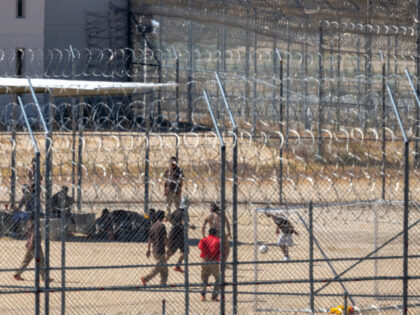
The Trump administration’s latest $2.2 billion outlay for four CoreCivic facilities isn’t just a line-item in the federal budget—it’s a signal that the machinery of enforcement is being hardened at the exact moment the Second Amendment community is being told its rights are “under review.” When the same federal government that lectures gun owners about “assault weapons” and “red-flag” laws simultaneously writes a blank check for more beds, more guards, and more surveillance infrastructure, the message is unmistakable: the administrative state still believes it can scale coercion faster than citizens can scale resistance. CoreCivic’s stock pops, lobbyists high-five in the hallways of the Rayburn building, and somewhere in flyover country another FFL wonders whether the next compliance audit will be handled by the same contractor now running detention centers.
For 2A advocates, the real story isn’t the dollar figure; it’s the precedent. Every new federal detention contract normalizes the idea that Washington can warehouse large numbers of people without meaningful legislative oversight or judicial review. That same logic—emergency powers, classified budgets, private-public “partnerships”—has already been floated in white papers discussing firearm confiscation under public-health or domestic-terror pretexts. If the administrative state can lease an entire prison network overnight, it can lease a network of “temporary” gun-storage facilities just as quickly. The only variable that has historically slowed such plans is an armed, organized, and vocal citizenry willing to make the political cost higher than the bureaucratic benefit.
The lesson for gun owners is therefore straightforward: watch the money, not the rhetoric. When federal agencies treat private prison corporations as force-multipliers, they are revealing how they intend to operationalize future edicts—whether those edicts target illegal immigrants today or lawful gun owners tomorrow. The $2.2 billion isn’t merely an immigration story; it’s a dry run for the infrastructure of enforcement, and the Second Amendment community ignores the blueprint at its peril.


