

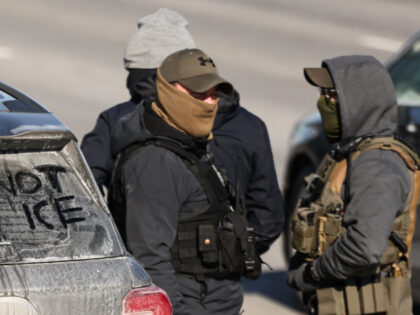
ICE’s “Operation Safe Drive” sweep along I-26 and I-85 is more than a traffic-enforcement headline; it’s a reminder that the same highways millions of Americans use to exercise their right to keep and bear arms are also corridors for people who entered the country unlawfully and, in many cases, remain here in defiance of federal law. When 114 illegal migrants are plucked from those interstates in just three days, it underscores how porous enforcement at the border quickly becomes a domestic policing challenge—one that state and local officers are increasingly left to manage. For the 2A community, the takeaway is straightforward: every mile of unsecured roadway is another mile where lawfully armed citizens may find themselves navigating an environment shaped by policies that treat immigration violations as optional rather than enforceable.
The deeper implication is that sanctuary-style non-cooperation and catch-and-release practices don’t just affect immigration courts; they shift risk onto the very people the Constitution arms for self-defense. Law-abiding carriers who travel these corridors for work, family, or range days now share asphalt with individuals whose presence here already demonstrates disregard for U.S. sovereignty. That reality strengthens the case for nationwide E-Verify, expedited removal, and full cooperation between ICE and state troopers—measures that reduce the downstream need for armed citizens to serve as the last line of deterrence on public roads.
Ultimately, the operation illustrates why the right to bear arms remains relevant long after the frontier closed: when federal immigration law is treated as advisory rather than binding, the responsibility for personal security reverts to individuals who choose to carry. South Carolina’s highways are simply the latest stage where that principle is being tested in real time.


