

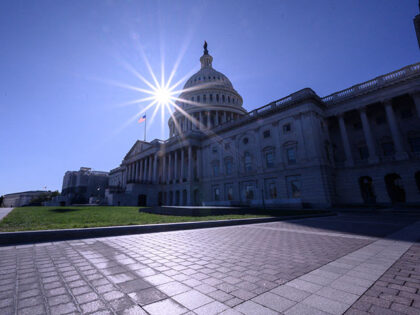
Congress is once again trying to lock the clocks in “spring-forward” mode with the Sunshine Protection Act, a move that would eliminate the biannual switch but still let individual states opt out—an arrangement that already has Senate skeptics sharpening their pencils. For the firearms community the stakes are less about bedtime routines and more about the practical realities of training, travel, and range access. An extra hour of evening light could extend after-work practice sessions for millions of working gun owners, yet the same bill quietly hands state legislatures a new lever: the ability to carve out their own time zones. In states already tightening permitting rules or floating magazine restrictions, that lever could be used to create regulatory “time islands” where compliance costs and travel logistics suddenly spike for competitors, trainers, and everyday carriers who cross state lines.
The deeper implication is that any expansion of state-level discretion on something as fundamental as time itself signals a broader willingness in Washington to punt contentious issues downward. That trend has already reshaped the concealed-carry map, with constitutional-carry states multiplying while others double down on discretionary “may-issue” regimes. If daylight-saving policy follows the same pattern, 2A advocates may soon find themselves litigating not just magazine capacity or feature bans, but whether a training trip booked for 5 p.m. Eastern actually starts at 4 p.m. local time in a neighboring opt-out state. The bill’s backers tout public-safety benefits from brighter evenings, yet the firearms community has learned that any new grant of state authority eventually gets tested against the right to keep and bear arms; permanent daylight saving could become another front in that long-running contest over who ultimately sets the rules of everyday life.


