

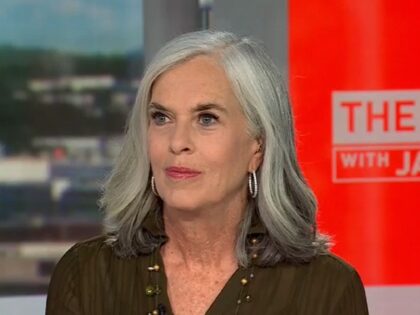
House Democrats, led by Minority Whip Katherine Clark, are once again playing political games with the Affordable Care Act’s enhanced premium subsidies that are scheduled to expire at the end of 2025. On CNBC’s “Squawk Box,” Clark deflected criticism by claiming Republicans “cut things,” a tired rhetorical sleight of hand that ignores the simple reality: Democrats controlled the White House, House, and Senate when these subsidies were originally rammed through as temporary pandemic-era sweeteners. They deliberately designed them with an expiration date, creating a manufactured crisis they now hope to weaponize against the GOP. This isn’t governance; it’s legislative trap-setting, and Americans are the ones left staring at higher insurance bills if Congress doesn’t act.
For the 2A community, this episode offers a crystal-clear reminder of how the progressive wing of the Democratic Party operates across every policy domain. Whether it’s healthcare, energy, education, or your constitutional right to keep and bear arms, the pattern remains identical: pass expansive, costly, or rights-eroding measures on narrow majorities or through reconciliation, build in future expiration dates or ambiguous language, then scream that Republicans are “cutting” or “gutting” the program when the bill comes due. The same lawmakers who let enhanced ACA subsidies sunset are the ones who cheer for “assault weapon” bans with built-in expiration clauses, magazine limits, and red-flag laws that never quite respect due process. Clark’s performance is simply the healthcare version of the gun-control playbook: create dependency, threaten chaos, blame the other side.
The broader implication should not be lost on gun owners and constitutionalists. Every time Democrats engineer these fiscal cliffs they reinforce the truth that big-government programs, once entrenched, become nearly impossible to reform without being painted as heartless. The same machinery will be used against the Second Amendment if they ever regain unified control. Law-abiding citizens who value self-reliance, whether in protecting their health choices or their God-given right to self-defense, should view this ACA subsidy fight as a cautionary tale. Temporary “emergency” expansions have a funny way of becoming permanent expectations, and the political class will always prefer to demagogue the expiration rather than own the original policy design. The coming debate over these subsidies will reveal once again which party actually believes in honest budgeting and which prefers perpetual political theater at the expense of American families and their freedoms.


