

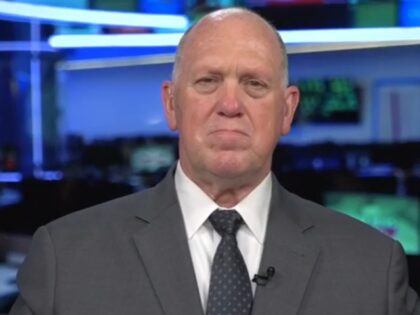
The case of Joan Sebastian Guerrero, an illegal immigrant fatally shot by ICE agents in Maine, exposes a glaring failure in the federal government’s ability to track and control individuals who should never have been granted work authorization in the first place. Border Czar Tom Homan’s observation that the May 2025 work permit was “strange” is an understatement; it underscores how bureaucratic lapses and policy contradictions allow people with questionable legal status to remain in the country and potentially arm themselves. For the 2A community, this isn’t just an immigration story—it’s a reminder that every time the system fails to enforce the law at the border or in the workplace, it creates downstream risks that law-abiding gun owners ultimately have to navigate.
What makes this incident particularly relevant to firearms policy is the broader pattern it reveals: when enforcement is inconsistent, the people who suffer most are those who follow the rules. Legal gun owners already endure background checks, waiting periods, and red-flag laws that presume guilt until proven otherwise, yet the same government that scrutinizes citizens can’t seem to prevent work permits from being issued to individuals whose very presence here is unlawful. The result is a two-tier system where citizens face ever-tightening restrictions while non-citizens with criminal or immigration violations slip through the cracks, sometimes with lethal consequences. This asymmetry fuels the argument that the real threat to public safety isn’t the millions of law-abiding Americans exercising their Second Amendment rights, but rather the erosion of border security and interior enforcement that allows dangerous actors to operate in the shadows.
For pro-2A advocates, the takeaway is clear: immigration enforcement and the right to keep and bear arms are not separate issues—they’re two sides of the same coin. When the federal government cannot reliably distinguish between legal residents and those here unlawfully, it weakens the very premise of a functioning background-check system and invites calls for even more restrictions on citizens. The Guerrero case should serve as a warning that true public safety requires consistent, lawful enforcement at every level, not selective outrage or half-measures that leave both communities and gun owners exposed.


