

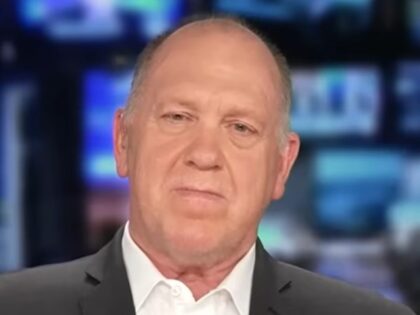
Tom Homan’s announcement that ICE officers must now wear at least one body camera during vehicle stops is more than a procedural tweak—it’s a deliberate signal that federal enforcement is entering a new era of accountability and transparency. For the Second Amendment community, the move is worth watching because it underscores a broader principle: when government agents are required to document their actions, the public gains a powerful tool to verify that those agents are operating within constitutional bounds. Body-camera footage has already proven invaluable in exposing both misconduct and the lawful, restrained use of force; extending that standard to immigration enforcement sets a precedent that could—and should—be applied to every federal agency that carries a badge and a gun.
The timing is also instructive. As the Biden-Harris administration’s border policies continue to draw fire from both sides of the aisle, Homan’s directive arrives as a tacit admission that public trust must be earned, not assumed. For gun owners who have long argued that transparency is the best antidote to overreach, the policy is a quiet victory. It reinforces the idea that rights are protected not only by the text of the Constitution but by the practical ability to hold officials accountable when they step outside it. If body cameras become the norm for immigration stops, the logical next question is why every federal law-enforcement encounter—from ATF raids to FBI interviews—shouldn’t be recorded as well.
Ultimately, the requirement is a reminder that the Second Amendment does not exist in a vacuum; it functions best when paired with a culture of scrutiny that applies to every level of government power. By mandating cameras on ICE vehicle stops, Homan has taken a small but meaningful step toward that culture. The 2A community should treat the move as both validation and invitation: validation that transparency works, and an invitation to demand the same standard everywhere else federal agents operate.


