

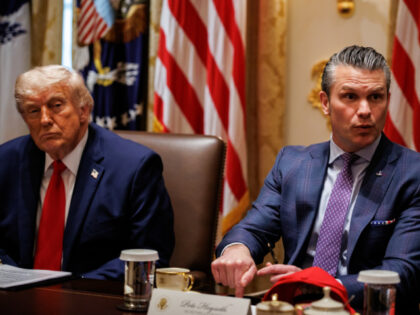
Pete Hegseth’s blunt reminder that the “War Department” is ready if Iran refuses a deal is more than saber-rattling—it’s a signal that the same administration willing to brandish hard power abroad is also the one that has already moved to dismantle the ATF’s pistol-brace rule and green-lit nationwide permitless carry reciprocity. For Second Amendment supporters, the message is clear: when the executive branch treats strength as the default posture, domestic gun-control initiatives lose oxygen. Every hour spent debating bunker-buster load-outs for B-2s is an hour not spent drafting magazine bans or universal background-check expansions on Capitol Hill.
The deeper implication is economic and industrial. A credible threat of renewed maximum-pressure sanctions tends to tighten global oil markets, which historically lifts defense and ammunition manufacturers—the same contractors whose commercial product lines feed America’s civilian firearms ecosystem. Higher throughput at Lake City and other plants doesn’t just resupply Uncle Sam; it keeps .223 and 9 mm lines humming for the civilian market and supports the very economies of red states that flipped key Senate seats on pro-2A platforms. In short, a muscular Iran policy functions as an inadvertent jobs-and-supply program for the gun community.
Finally, the rhetoric underscores a philosophical consistency: sovereignty is non-negotiable, whether the threat is a uranium centrifuge in Natanz or a consent decree from the Ninth Circuit. By refusing to outsource American security to multilateral talking shops, the administration reinforces the same principle that rejects international small-arms treaties like the Arms Trade Treaty. For 2A advocates, that alignment is worth watching; administrations that project strength overseas rarely feel the need to disarm their own citizens at home.


