

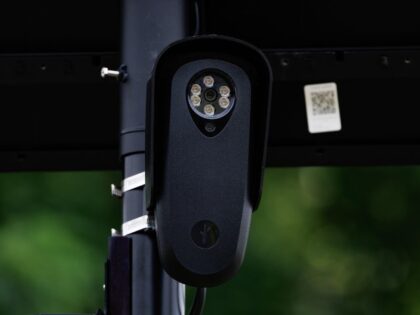
The new “Have I Been Flocked” site is more than a privacy curiosity—it’s a real-time audit tool that lets any driver discover whether their plate has been captured by the thousands of Flock Safety cameras now blanketing neighborhoods, parking lots, and highways. By simply entering a plate number, users receive a hit list of every participating agency that has queried their vehicle, exposing how quickly a routine drive can become a permanent entry in a law-enforcement database. For Second Amendment supporters, the stakes are obvious: the same dragnet that logs every trip to the range, gun show, or rural property can be cross-referenced with concealed-carry databases, dealer records, or even social-media posts, turning constitutionally protected travel into a searchable dossier.
What makes the development especially troubling is the speed at which these systems have proliferated without meaningful legislative oversight. Flock’s own marketing brags that its cameras can “read” up to 1,800 plates per minute and retain data for thirty days—or longer if an agency pays extra—yet most jurisdictions still treat the feeds as routine traffic data rather than sensitive location histories. That framing matters to gun owners who already navigate patchwork permitting rules; a single plate ping near a firearms instructor’s home or a private shooting range can be enough to trigger “suspicious activity” reports that follow a citizen for years.
The practical takeaway is straightforward: if you value both privacy and the right to keep and bear arms, treat every public roadway as a potential checkpoint. Use cash at ranges when possible, vary your routes, and consider the growing fleet of ALPR cameras as seriously as you would a traffic stop. The “Have I Been Flocked” tool simply confirms what pro-2A advocates have long argued—today’s surveillance state doesn’t need a warrant to know where you’ve been; it just needs a camera on every corner and a cooperative city council.


