

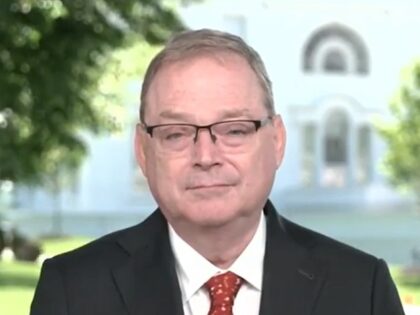
The White House’s top economist just framed the president’s finger-pointing at “Big Oil” as little more than political theater, insisting the real driver of pump prices is a global energy-price story that is “positive” compared with what markets once feared. That admission is telling: even inside the administration, the narrative that domestic producers are somehow gouging consumers is running out of gas. For Second Amendment supporters, the lesson is straightforward—energy policy and the right to keep and bear arms are two sides of the same coin of individual liberty. When government tries to strong-arm private industry into lowering prices it doesn’t control, the same impulse can just as easily target gun makers, ammo suppliers, or the banks that serve them.
What Hassett is really signaling is that Washington’s leverage over global crude benchmarks is marginal at best. If the administration can’t jawbone OPEC or reset Chinese demand, the temptation grows to look for domestic scapegoats—exactly the pattern gun owners have watched play out in ATF rule-makings and proposed excise-tax hikes. The 2A community should treat every call for “voluntary” price restraint as a dress rehearsal for pressure campaigns against lawful firearm commerce. Conversely, an administration that respects market signals on energy is far less likely to invent new emergencies to justify magazine bans or universal background-check expansions.
Bottom line: the same decentralized, price-driven system that keeps gasoline (relatively) affordable is the system that keeps ammunition, optics, and modern sporting rifles on store shelves. When politicians pretend they can command market outcomes, the prudent move for gun owners is to stock up on freedom—both in the form of energy independence and in the form of the tools that guarantee it.


