

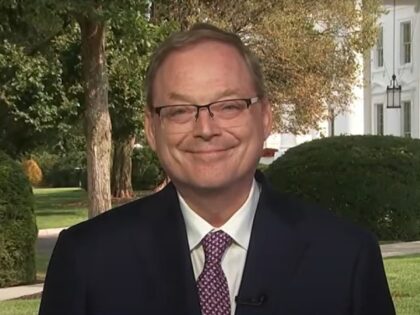
Kevin Hassett’s attempt to thread the needle between “government ownership” and “not socialism” lands like a blank round in a live-fire drill: technically true on paper, but the real-world risk is what matters. When the state takes equity positions in private firms, the line between influence and outright control blurs faster than a suppressor can quiet a gunshot. The “firewalls” he promises are only as strong as the next administration’s willingness to respect them, and history shows that once the government has skin in the game, it rarely keeps its hands off the trigger. For the firearms industry, this matters because any company that touches defense contracts, dual-use technology, or even basic manufacturing inputs could suddenly find its boardroom decisions shaped by political appointees rather than market demand or Second Amendment principles.
The deeper concern is mission creep. If equity stakes are justified today by “national security” or “supply-chain resilience,” tomorrow they can be justified by “public safety” or “reducing gun violence.” A single regulatory reinterpretation could turn a minority stake into de-facto veto power over product lines, distribution channels, or even which retailers are allowed to carry a manufacturer’s goods. That’s not hypothetical; we’ve already watched federal agencies weaponize banking relationships and ESG scoring to sideline lawful firearm businesses. Adding actual ownership to that toolkit doesn’t just raise the stakes—it changes the rules of the game while the 2A community is still playing by the old ones.
The practical takeaway is vigilance over semantics. Whether officials label it socialism, public-private partnership, or industrial policy, the mechanism is the same: government capital buys government leverage. The firearms community should treat every new equity position as a potential future pressure point and push lawmakers for explicit statutory firewalls that sunset with the investment, rather than trusting bureaucratic assurances that can be rewritten by the next press release.


