

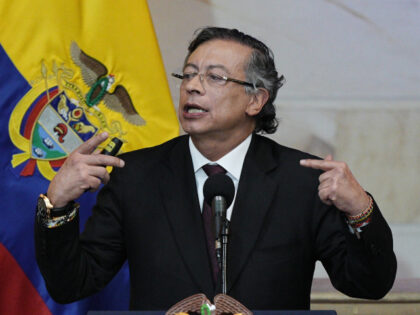
Outgoing Colombian President Gustavo Petro’s final foreign trip wasn’t to Brussels or Washington—it was to Havana, where he stood shoulder-to-shoulder with the Castro heirs and praised a system that has spent six decades perfecting the art of disarming its citizens before starving them. While Petro waxed poetic about “solidarity,” Cuba’s police state continues to treat private firearm ownership as a counter-revolutionary crime, leaving ordinary Cubans defenseless against both regime enforcers and the criminal gangs that fill the vacuum. The optics are unmistakable: a sitting Latin-American head of state using his last days in office to romanticize the one Western-hemisphere laboratory where the right to keep and bear arms has been extinguished more thoroughly than anywhere else in the Americas.
For the 2A community, the lesson is as old as the Cold War but freshly urgent. Every time a regional leader embraces Havana’s model, the same pattern emerges—speech codes, property seizures, and, inevitably, gun confiscations dressed up as “public safety.” Colombia itself has teetered between narco-violence and guerrilla hold-outs; if Petro’s ideological flirtation hardens into policy, the country’s already-restrictive permitting regime could slide toward Cuba’s outright prohibition. That would not only strip millions of law-abiding citizens of the tools of self-defense, but also hand cartels and FARC dissidents a monopoly on firepower—the exact outcome American gun owners have watched unfold south of the border for generations.
The contrast with the United States could not be starker. Here, the Second Amendment functions as the trip-wire that keeps would-be authoritarians from importing Havana’s end-state. Petro’s pilgrimage is therefore more than diplomatic theater; it is a reminder that the defense of the right to arms is also the defense of every other liberty that Colombian citizens may soon find in short supply.


