

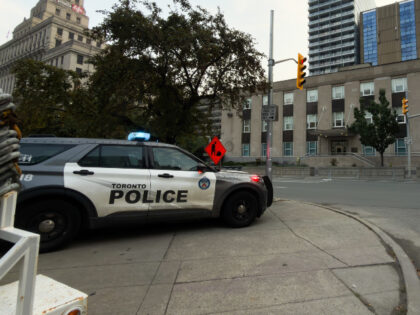
A single shot fired at the U.S. Consulate in Toronto is the kind of headline that gun-control advocates usually try to bury, because it exposes the central flaw in their logic: criminals don’t obey gun laws, and they certainly don’t care which side of an imaginary line they’re standing on. Canada’s strict handgun restrictions and “assault weapon” bans didn’t stop the shooter from obtaining a firearm, nor did they prevent the subsequent high-speed chase that turned downtown Toronto into an action-movie set. The incident is a textbook reminder that geography, not legislation, determines where criminals ply their trade; the same firearm that would be banned in Ontario is perfectly legal just across the Niagara River in New York, yet the only thing that changed was the postal code, not the criminal’s intent or capability.
For the 2A community, the takeaway is straightforward: every new restriction layered onto law-abiding citizens is another data point that criminals will simply ignore. Toronto’s gun-crime surge has tracked almost perfectly with the 2020 push to further curtail legal ownership, while clearance rates for shootings remain dismal. That pattern mirrors what we see in American cities that doubled down on policing reductions and gun bans after 2020—violent actors operate in the vacuum left by absent enforcement, not in the margins of background-check forms. The chase ending without additional casualties also underscores the value of armed, trained responders; seconds count when the threat is already mobile and the next potential target could be a school, synagogue, or shopping center.
Ultimately, the Toronto shooting is less an anomaly than an indictment of the “just pass one more law” mindset. It reinforces why American gun owners remain skeptical of any proposal that promises safety by further disarming the compliant while leaving the lawless untouched. The right to keep and bear arms isn’t just about hunting or sport; it’s the recognition that self-reliance and swift response are the only proven deterrents when the next shot is already chambered.


