

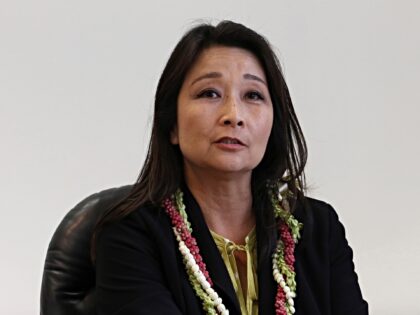
Hawaii’s indictment of Lt. Gov. Sylvia Luke for allegedly trading state COVID-testing contracts for campaign cash is more than a garden-variety pay-to-play scandal; it’s a textbook reminder that when government becomes the gatekeeper of emergency services, the temptation to monetize that power is almost irresistible. The grand jury’s finding that Luke steered millions in testing-site funding to donors underscores how quickly crisis spending can morph into political currency, especially in a state already notorious for layering extra restrictions on the Second Amendment. For gun owners, the lesson is straightforward: every new program that funnels taxpayer dollars through a handful of political appointees creates fresh opportunities for corruption—and fresh rationales to expand the size and reach of the agencies that later come after lawful firearm owners.
The timing is equally instructive. While Hawaii’s political class was allegedly lining pockets with federal COVID money, the same legislature continued to advance some of the nation’s most aggressive gun-control measures, from expanded “sensitive places” bans to new restrictions on private transfers. The contrast is jarring: public-health dollars allegedly converted into campaign checks, yet no similar urgency to protect the enumerated right to keep and bear arms. It suggests that, for some officials, constitutional rights are optional add-ons rather than non-negotiable limits on state power.
For the 2A community, the takeaway is vigilance over spending streams, not just statute books. Every time Congress or a state legislature creates another pot of discretionary emergency funds, the same politicians who treat the Second Amendment as an afterthought gain another lever to reward allies and punish dissenters. Tracking who controls those levers—and holding them accountable at the ballot box—may prove just as important to preserving the right to bear arms as fighting the next magazine ban or red-flag law.


