

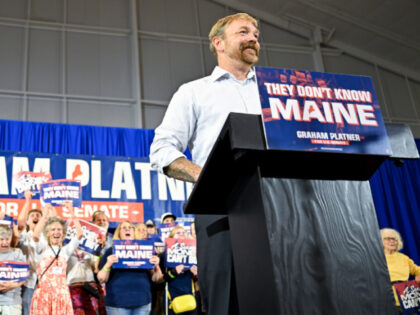
Graham Platner’s projected victory in the Maine Democratic Senate primary is less a policy triumph than a referendum on how far the party is willing to stretch its definition of “electable.” A former Marine turned oyster farmer with a résumé heavy on progressive activism, Platner has positioned himself as the anti-establishment choice against more conventional rivals. For gun owners, the signal is unmistakable: even in a state with deep hunting traditions and constitutional-carry laws, the Democratic primary electorate has chosen a candidate whose national alignment will almost certainly track the party’s post-2020 gun-control consensus rather than Maine’s more pragmatic culture.
That consensus now includes assault-weapon restrictions, magazine limits, and red-flag provisions that have already passed in states once considered off-limits for such measures. Platner’s win suggests the activist wing believes these positions are no longer electoral liabilities in purple or even reddish states, provided the messenger can brand himself as an outsider. Susan Collins, long a swing vote on firearms legislation, will face an opponent who has every incentive to nationalize the race and paint her as insufficiently aggressive on “gun safety.” The result could be a campaign that tests whether Maine voters still reward moderation or have shifted toward the coastal donor class’s priorities.
For the 2A community the takeaway is strategic rather than merely electoral. Resources that might have been husbanded for a general-election defense must now be allocated earlier, and messaging must emphasize that Platner’s brand of progressivism is imported rather than home-grown. If Collins can force the debate onto rural enforcement realities, permitting backlogs, and the practical failures of recent state-level restrictions, she may blunt the nationalization effort. If she cannot, Maine risks becoming another data point showing that Democratic primaries are increasingly selecting candidates whose gun-control positions are calibrated for national donors, not local shooters.


