

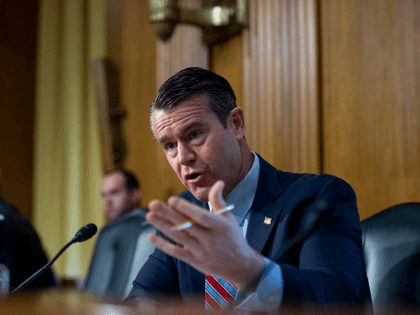
Sen. Todd Young’s call to make Big Tech swallow its own power bill is more than a utility-rate gripe—it’s a warning shot across the regulatory landscape that gun owners should watch closely. Data centers already devour more electricity than some mid-sized states, and when those costs get socialized onto residential ratepayers, the same political class that dreams up “assault weapon” bans suddenly discovers a newfound enthusiasm for soaking the middle class to subsidize coastal server farms. For Second Amendment advocates, the principle at stake is straightforward: if government can force law-abiding citizens to bankroll someone else’s infrastructure, it can just as easily force them to bankroll someone else’s gun-control agenda through registration fees, ammunition taxes, or “smart-gun” mandates disguised as public-safety investments.
The deeper implication is that energy policy and firearms freedom share the same underlying battlefield—concentrated power versus dispersed rights. When utilities become wards of the state or captives of well-connected corporations, the infrastructure that supports everything from reloading presses to home-security systems grows more expensive and less reliable. Young’s insistence that costs be “internalized” is a market-friendly corrective, but it also highlights how fragile that market remains when politicians can reallocate burdens at will. If the same logic were applied to the firearms industry—say, compelling manufacturers to absorb every new excise or storage regulation instead of passing costs to consumers—the outrage from the gun-control lobby would be instantaneous and ferocious.
Ultimately, the data-center fight is a dress rehearsal for the next wave of economic conscription aimed at the gun-owning public. Every time government rigs the rules so that politically favored industries shed their true costs onto everyone else, the precedent grows stronger for treating the right to keep and bear arms as just another externality to be priced, permitted, or prohibited out of existence.


