

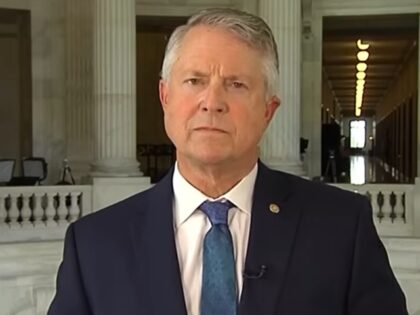
Sen. Roger Marshall’s admission that American farmers will still need federal aid even if Iran suddenly becomes a major buyer of U.S. agriculture is a textbook case of how government intervention distorts markets and keeps producers on life support. The Kansas Republican’s comments on Bloomberg reveal the uncomfortable truth that decades of subsidies, tariffs, and export controls have left the farm sector dependent on Washington rather than on genuine customer demand. When a senator from the heartland concedes that even a multi-billion-dollar windfall from a sanctioned regime won’t free farmers from bailouts, it underscores how policy—not weather or pests—has become the dominant variable in rural economics.
For the 2A community the lesson is direct: the same reflexive reliance on federal programs that traps agriculture in subsidy cycles also fuels the regulatory state that targets lawful gun owners. Every new farm bill that expands USDA authority or conditions aid on compliance with federal rules creates precedent and infrastructure that can later be turned against firearms manufacturers, dealers, and owners through similar “public safety” or “national security” riders. When politicians admit they must keep writing checks no matter how much revenue flows in, they are also telegraphing that they will keep writing rules—no matter how much compliance already exists.
The deeper implication is that true resilience, whether in food production or self-defense rights, comes from reducing dependence on the administrative state rather than negotiating for slightly larger slices of it. Marshall’s candor should prompt both farmers and gun owners to ask why an industry or a constitutional right needs perpetual federal management at all.


