

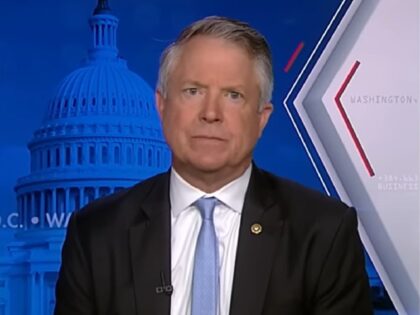
Sen. Roger Marshall’s admission that the U.S. had to hand Iran immediate oil-sale waivers just to get ink on the page is a textbook case of how short-term diplomatic optics can create long-term strategic headaches. By essentially paying Tehran in sanctions relief to sign a deal, negotiators signaled that American leverage is negotiable if the other side stalls long enough—an approach that rarely ends well when the counterparty is a regime that funds proxy militias and chants “death to America” on state television. For the firearms community, the lesson is straightforward: when Washington trades hard power for photo-ops, the resulting instability tends to metastasize into regional conflicts that eventually require the very weapons and training 2A advocates champion as essential for both national defense and personal preparedness.
The ripple effects are already visible in energy markets and defense budgets. Cheaper Iranian crude undercuts domestic producers, squeezes margins for American oil workers who overwhelmingly support Second Amendment rights, and simultaneously frees up revenue that Tehran can funnel to groups like Hezbollah and the Houthis—actors whose attacks on shipping lanes and U.S. interests keep carrier strike groups on station and drive supplemental defense spending. Those supplemental bills often include funding for small-arms programs, night-vision gear, and ammunition stocks that benefit the same domestic industrial base that equips private citizens. In other words, the waivers Marshall described don’t just enrich a hostile regime; they indirectly subsidize the very ecosystem of firearms, optics, and training that law-abiding Americans rely on when government policy fails to keep the peace.
Ultimately, the episode underscores why vigilance at the ballot box and in the gun shop are two sides of the same coin. A foreign policy that treats sanctions as bargaining chips rather than red lines invites the kind of protracted low-intensity conflicts that historically expand the administrative state’s reach over both energy and arms. Second Amendment supporters who track these diplomatic giveaways understand that every barrel of sanctioned oil released without ironclad verification is another potential vector for the chaos that makes constitutional carry and robust self-defense not merely rights, but practical necessities.


