

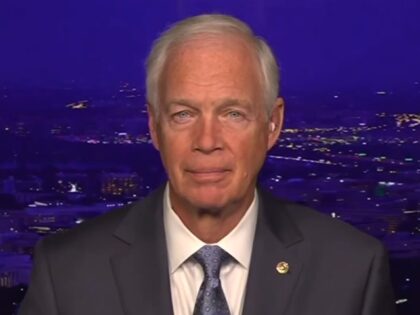
In the high-stakes game of international brinkmanship, Sen. Ron Johnson’s candid admission that neither he nor President Trump relished the negotiated opening of the Strait of Hormuz reveals a pragmatic streak that Second Amendment advocates should study closely. While the senator concedes the deal fell short of the unconditional surrender he and the president would have preferred, the “give and take” underscores how even the strongest nations must sometimes trade leverage for access to critical sea lanes—much like how responsible gun owners accept background checks and training mandates as the price of keeping their rights intact rather than risking outright bans. The real lesson for the firearms community is that deterrence works best when paired with credible willingness to negotiate from strength; just as an armed citizen who trains, carries daily, and projects calm resolve rarely needs to draw, a nation that maintains overwhelming military capacity can afford limited concessions without surrendering core principles.
This episode also spotlights the broader pattern of progressive media and political opponents framing any compromise as weakness, a narrative the 2A world knows all too well from endless “assault weapon” scare stories and calls for confiscation. Johnson’s remarks remind us that outcomes short of total victory still preserve strategic interests—oil flows, shipping lanes, and, by extension, the economic stability that funds both national defense and the domestic firearms industry. For gun owners, the takeaway is clear: stay vigilant, reject incremental erosions dressed up as reasonable deals, and remember that true security comes from an armed, informed populace that refuses to trade liberty for temporary safety, whether the threat is a foreign adversary or domestic overreach.


