

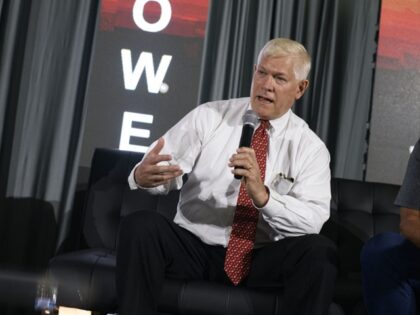
Rep. Pete Sessions’ call to rope Saudi Arabia, Pakistan, and Turkey into a regional “Iran deal” is more than Beltway theater—it’s a tacit admission that the current sanctions-plus-standoff model is running out of gas. By shifting the burden onto Sunni-majority powers that already view Tehran as an existential threat, Sessions is betting that a coalition of rivals can achieve what U.S. negotiators alone have not: a durable curb on Iran’s nuclear ambitions and its proxy militias. For the firearms community, the stakes are straightforward. A nuclear-capable Iran accelerates the arms race across the Gulf, inflates the price of imported components, and keeps the specter of renewed export controls hovering over American manufacturers who rely on overseas markets for optics, barrels, and specialty steels.
The deeper implication is that any deal brokered by Riyadh, Ankara, and Islamabad will almost certainly be conditioned on security guarantees—read: advanced conventional weapons and the training to use them. That opens a back-channel market for U.S. small arms and precision munitions that could dwarf the scale of the Abraham Accords-era sales. At the same time, a regional framework that sidelines the JCPOA’s sunset clauses would remove the single biggest justification the Biden-era State Department has used to slow-walk license approvals for civilian firearms exports. In short, Sessions’ proposal could translate into a steadier flow of overseas revenue for domestic gunmakers and a political environment less hospitable to renewed import bans or magazine-capacity restrictions justified by “regional stability” concerns.
Yet the same calculus carries risk. If the talks collapse—or if Iran tests a device anyway—Congress will face immediate pressure to green-light emergency military aid packages heavy on crew-served weapons and anti-armor systems. That surge capacity is a double-edged sword: it keeps production lines hot and skilled labor employed, but it also gives anti-2A lawmakers fresh talking points about “militarization” of civilian firearms technology. The 2A community’s play, then, is to treat Sessions’ overture not as abstract diplomacy but as a live procurement forecast, and to make sure any resulting contracts carry explicit civilian spinoffs—barrel blanks, optic mounts, and ballistic materials—that can be dual-traded without new restrictions.


