

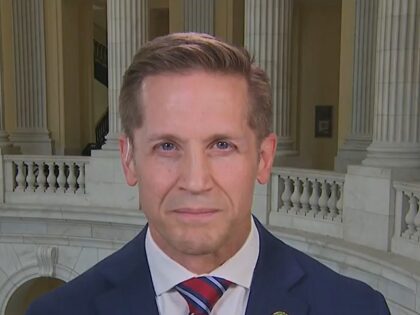
Rep. Rich McCormick’s observation that President Trump is responding to Iran with calibrated restraint rather than reflexive escalation is more than Beltway theater—it’s a reminder that energy markets and foreign policy are two sides of the same coin. By keeping the response “measured,” the administration is signaling it understands how quickly a spike in crude can translate into higher pump prices, which in turn squeezes household budgets and feeds the very inflation that erodes purchasing power for everything from groceries to ammunition. For the 2A community, that matters because every extra dollar at the pump is a dollar not spent on range time, training, or the next generation of defensive firearms that keep families prepared when government response times lag.
The larger implication is strategic patience: a president who refuses to let short-term optics dictate long-term posture is less likely to stumble into the kind of open-ended conflict that historically produces both gun-control proposals and supply-chain disruptions for domestic manufacturers. McCormick’s nod to “international relations” underscores that Trump is playing a multi-front game—deterring Iranian proxies without handing adversaries the propaganda victory of another U.S. quagmire. That discipline preserves the political capital needed to advance pro-2A priorities like national reciprocity and ATF reform rather than letting foreign crises crowd them off the legislative calendar.
In short, the same steady hand that avoids unnecessary escalation abroad also protects the conditions under which Second Amendment rights can be exercised without economic headwinds or sudden regulatory overreach at home.


