

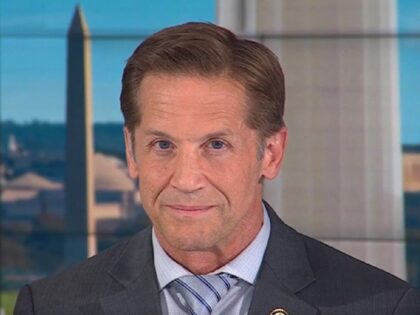
Rep. Rich McCormick’s blunt assessment that America “should have finished” the fight with Iran rather than pausing for talks lands like a warning shot across the bow of U.S. foreign policy. The Georgia Republican’s point is simple: hesitation invites escalation, and the same logic that applies to confronting a nuclear-threshold regime also applies to preserving the right to keep and bear arms at home. When leaders signal weakness abroad, adversaries from Beijing to Brussels read it as permission to chip away at American sovereignty, including the constitutional firewall that protects civilian firearms ownership from international arms-control schemes. McCormick’s refusal to “let up” mirrors the stance Second Amendment advocates have taken for decades—never concede ground, never accept “reasonable” pauses that become permanent restrictions.
The timing of his remarks is no accident. With Iran’s proxies testing U.S. resolve from the Red Sea to the Levant, any perception that Washington will trade decisive action for photo-op diplomacy emboldens not only state sponsors of terrorism but also domestic voices eager to import foreign-style gun controls under the banner of “global norms.” Pro-2A organizations have long warned that treaties and executive agreements can serve as backdoors to registration, confiscation, or ammunition restrictions that Congress would never pass outright. McCormick’s message—that unfinished business only grows more dangerous—applies equally to the steady drip of ATF reinterpretations, pistol-brace rules, and magazine bans that surface whenever political attention drifts elsewhere.
For the firearms community, the takeaway is strategic consistency: strength deters, and deterrence begins with clarity. Just as McCormick argues against pausing operations against a regime that chants “death to America,” gun owners must reject any legislative or regulatory timeout that leaves the battlefield to those who view the Second Amendment as an annoying historical footnote rather than a living safeguard. The congressman’s words serve as a reminder that both national defense and individual liberty require the same posture—finish what you start, hold the line, and never trade temporary calm for permanent vulnerability.


