

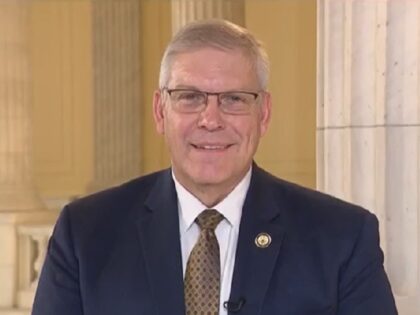
Rep. Barry Loudermilk’s candid admission that tariffs are “one of the sticking points” driving up costs is a rare moment of straight talk from Capitol Hill, and it lands squarely on the shoulders of American gun owners. When the federal government slaps duties on imported steel, aluminum, optics components, and even the polymers that go into modern rifle furniture, those added costs ripple straight through the supply chain and into the price of everything from AR-15 uppers to red-dot sights. The congressman’s remarks underscore a hard truth: protectionist policies that sound good on the stump can quietly erode the purchasing power of the very voters who helped elect the administration that imposed them.
For the 2A community, the stakes are more than just sticker shock at the gun counter. Higher input costs squeeze smaller manufacturers and custom shops—the same innovators who pioneered lightweight chassis systems and next-generation suppressors—while giving larger overseas competitors breathing room to undercut domestic producers on price. Meanwhile, the uncertainty Loudermilk flags (“fluctuation in costs”) makes long-term planning difficult for companies that already navigate a maze of ATF rules and shifting state laws. In an era when rights-affirming states are racing to become gun-friendly havens, an artificial price hike on components can blunt the economic advantage those states are trying to cultivate.
The bigger implication is philosophical as much as economic: conservatives who champion both free markets and the Second Amendment need to square that circle. If tariffs are to remain a tool of foreign policy, the 2A community should insist on targeted exclusions for firearms-related imports or, at minimum, demand that any revenue generated be offset by pro-Second Amendment tax credits or deregulation that lowers the cost of domestic production. Otherwise, the right to keep and bear arms risks becoming a luxury reserved for those willing to pay the government’s surcharge on liberty.


