

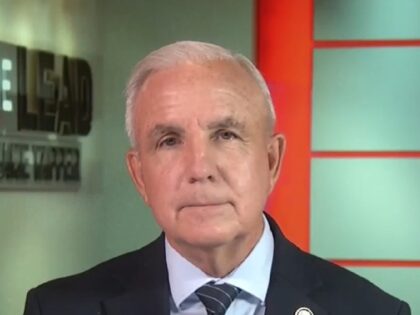
Rep. Carlos Gimenez’s blunt admission that the United States “would’ve done a heck of a lot more against China” on fentanyl is a reminder that the same supply-chain vulnerabilities that let Beijing flood our streets with poison also threaten the legal firearms ecosystem. When precursor chemicals flow unchecked across the Pacific, the resulting cartel violence spikes demand for black-market guns and ammunition, driving up prices and tightening availability for law-abiding owners. The congressman’s call for tougher action therefore isn’t just about narcotics; it’s about preserving the lawful commerce that keeps millions of Americans armed, trained, and ready to defend themselves.
Operation Southern Spear’s focus on maritime interdiction is welcome, but it still treats the symptom rather than the source. China’s state-owned chemical giants continue to export the building blocks of fentanyl with little more than a wink from Beijing, while simultaneously restricting exports of critical firearm components and optics to U.S. buyers. That dual-track strategy weakens American deterrence abroad and squeezes domestic manufacturers at home. If Washington truly wants to starve the cartels, it must pair aggressive precursor sanctions with reciprocal trade measures that protect the Second-Amendment economy from foreign leverage.
For the 2A community, the lesson is clear: every unsecured border and every unfettered chemical shipment is another argument for robust domestic production, diversified supply lines, and an unapologetic defense of the right to keep and bear arms. Lawmakers who grasp that connection will see that securing the homeland starts with confronting the People’s Republic, not merely chasing smugglers on the high seas.


